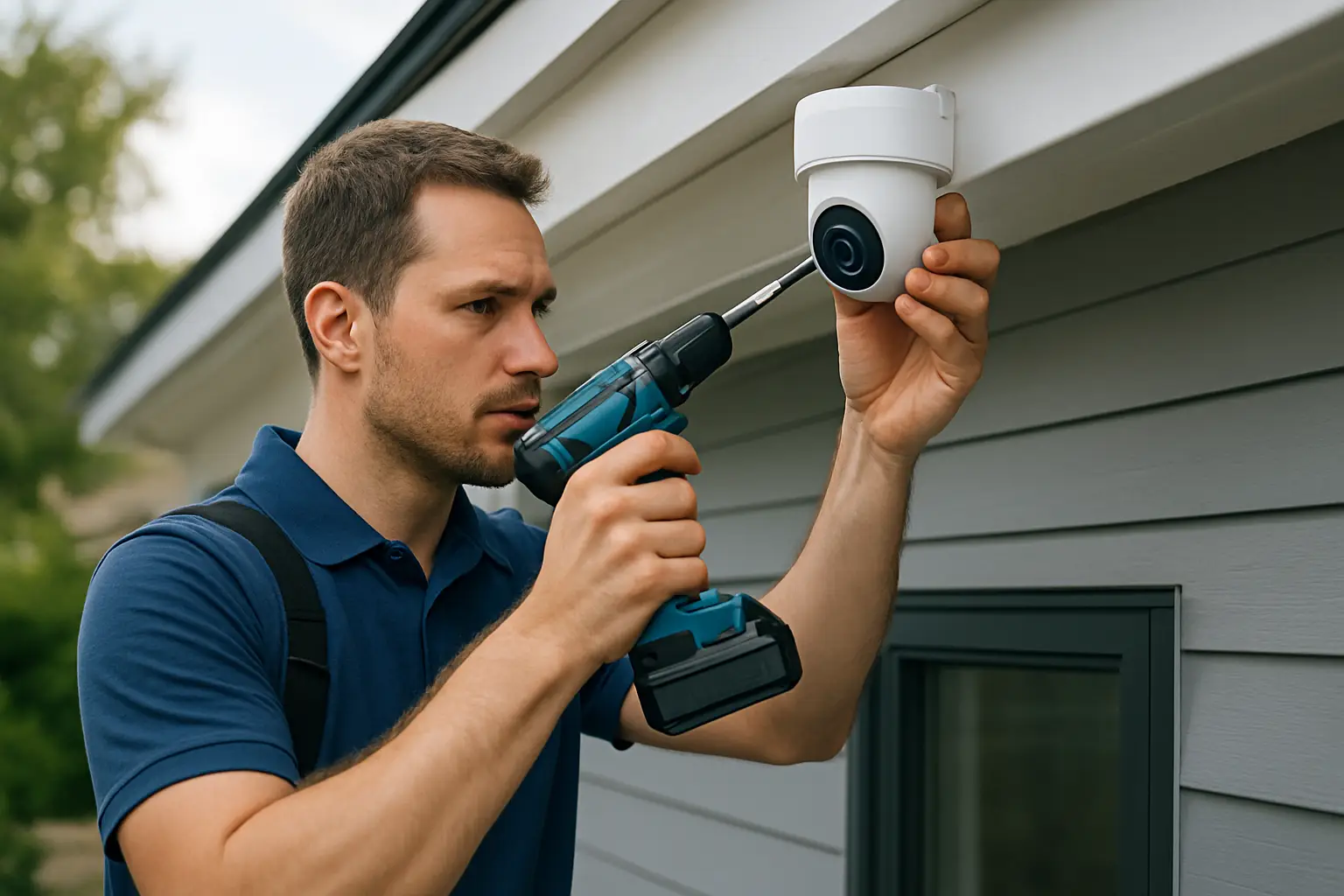
A security system looks simple on a brochure. Then you stand on your property and realize the “best” camera spot is blocked by a tree, the loading door is half in shadow, or your WiFi drops right where you need it most.
That is exactly why flexible security installation services matter. Flexibility is not a vague promise or a fancy app feature. It is the ability to design coverage around how your home or business actually works today, then adjust it later without starting over.
What “flexible” really means in a security install
A flexible install starts with the assumption that change is normal. Families add side gates and EV chargers. Businesses rearrange aisles, add a storage container, or convert an office into a shipping area. A rigid system forces you to live with blind spots or pay to redo big chunks of the project.
In practical terms, flexibility usually comes down to three things: a design that anticipates expansion, infrastructure that supports it (cabling, recording capacity, mounting choices), and a setup that is easy for the owner or manager to use day to day. If any of those are missing, the “upgrade later” plan tends to turn into frustration.
Why Sacramento properties benefit from flexible design
Local conditions affect camera performance more than most people expect. Bright afternoon sun can wash out faces at a front door. Winter rain changes reflections on parking lots. Mature landscaping can grow into the exact line of sight you liked during the install.
Sacramento also has a mix of property types that call for different approaches: older homes with limited attic access, small retail spaces in busy corridors, warehouses with long spans and roll-up doors, and mixed-use buildings with shared entry points. Flexibility means you can tailor the system to those realities instead of forcing a one-size plan.
Flexible security installation services: the decisions that make or break them
Most flexibility is decided before a single hole is drilled. Here are the choices that tend to separate an install you can grow with from one you will replace.
Start with coverage goals, not camera count
It is tempting to begin with “How many cameras do I need?” A better starting point is “What do I need to be able to see clearly, and what do I need recorded?” A home may care most about the front door, driveway, and side yard. A business may prioritize cash handling, receiving, and customer entry points.
Once goals are clear, the camera count usually reveals itself. This also prevents a common problem: buying extra cameras that still leave the wrong blind spot.
Choose recording that can expand without drama
For most serious surveillance, an NVR is the backbone. Flexible systems use an NVR that can accept additional channels later and has storage you can expand to match retention needs. Retention is one of those “it depends” items. A small office may be fine with two weeks. A property manager dealing with repeated vandalism may want 30 days or more.
The trade-off is cost and physical space. Higher capacity NVRs and larger hard drives cost more up front, but they avoid the expense of replacing equipment when you add cameras.
Plan cable paths like you will add cameras later
Wiring is where flexibility is won or lost. If cable runs are tight, inaccessible, or barely reach the current camera locations, expansion becomes a headache. A clean install leaves room for future routes and uses proper protection in exposed areas.
Some properties do rely on WiFi cameras for convenience. That can be flexible in the short term, but it is not always reliable long term - especially if you add more devices to the network or need stable playback during peak business hours. When reliability matters, hardwired PoE cameras are usually the safer bet.
Match camera types to the real use case
Flexible does not mean “all the same camera everywhere.” Different areas need different tools. A turret camera can be a great choice under eaves with wide coverage. A varifocal lens can help on a driveway where you want to dial in the exact field of view. A dedicated LPR camera may be appropriate if plates are a core goal, but only when it is installed at the right angle and distance.
4K cameras can provide excellent detail, but only if placement, lighting, and settings support that detail. If a camera is too high, pointed into glare, or aimed at a scene with heavy backlight, higher resolution alone will not fix it.
Set up remote access that owners actually use
Remote access is part of flexibility because it changes how you respond. If you can check a live view during an after-hours alarm or confirm a delivery was made, you make better decisions quickly.
The key is configuring it cleanly: secure logins, clear camera names, and a layout that makes sense. If your app shows “Camera 01, Camera 02,” you will waste time when you need it most. If it shows “Front Door,” “Register,” and “Back Lot,” you will actually use it.
Where flexibility shows up for homeowners
For a homeowner, flexibility often means starting with the highest-risk areas and leaving room to add coverage later. A common approach is front door plus driveway first, then side yard and backyard as budget allows.
It also means thinking about lifestyle changes. If you plan to add a gate, build an ADU, or start using the side entrance more often, the camera layout should support that. Another practical example is package delivery. If drivers frequently approach from an angle that avoids your doorbell camera, a properly placed turret camera can fill that gap.
Homeowners also tend to care about the look of the install. Flexible service includes mounting choices and cable routing that keep things clean. A system can be powerful without making your house look like a warehouse.
Where flexibility shows up for businesses and property managers
Businesses change. A lot. A flexible system respects that reality by allowing you to add cameras for new inventory areas, move a camera when the point-of-sale changes, or expand recording when your risk profile shifts.
Property managers often need flexibility across tenants and shared spaces. One tenant may want more coverage near their unit, while you still need common-area visibility for the building. A thoughtful install also considers who should have access. A manager may need full access, while a tenant may only need certain views. Getting that right prevents headaches later.
There is also an operational side. Clear video can reduce disputes and speed up incident reporting, but only if footage is easy to find. Systems that are organized, labeled, and configured for sensible retention save time for staff.
Pricing and scope: what “flexible” should and should not mean
Flexibility should not mean vague pricing or open-ended change orders. It should mean clear options.
A solid provider will explain what is included now, what expansion could look like later, and what factors change the cost. Those factors are usually straightforward: number of cameras, cable complexity, recorder size, and special conditions like high ceilings or trenching.
Be cautious of two extremes. The first is a bargain quote that ignores infrastructure and leaves you stuck with a system you cannot expand. The second is being sold a maximum build-out when you only need a strong Phase 1 with a clean plan for Phase 2.
What to ask before you hire an installer
If you want flexible security installation services, the questions you ask up front matter as much as the hardware.
Ask how the installer approaches coverage design and whether they do a walkthrough. Ask what the system can expand to, both in camera channels and storage. Ask how remote access is set up and what support looks like after install.
Also ask what happens when the scene changes. If you remodel, add a gate, or re-stripe your parking lot, can a camera be relocated cleanly? Will the original design make that easy, or will it require tearing out finished work?
In Sacramento, it also helps to work with a local team that understands typical construction styles and common problem areas, from bright entryways to long driveways. For homeowners and businesses that want systems designed around the property instead of a generic kit, StaySafe365 focuses on clean installs, 4K camera options, reliable NVR setups, and the kind of ongoing support that helps you actually feel confident using what you paid for.
The real payoff: a system that stays useful
The goal is not to install cameras once and never touch them again. The goal is to install a system that stays useful as your needs change - a system you can add to, adjust, and rely on without turning every update into a new project.
When you plan for flexibility from day one, you end up with security that fits real life: clear views where it matters, recording that holds what you need, and an install that can grow with your home or your business whenever you are ready.